Menu
Need support ? Contact us for Instant Assistance
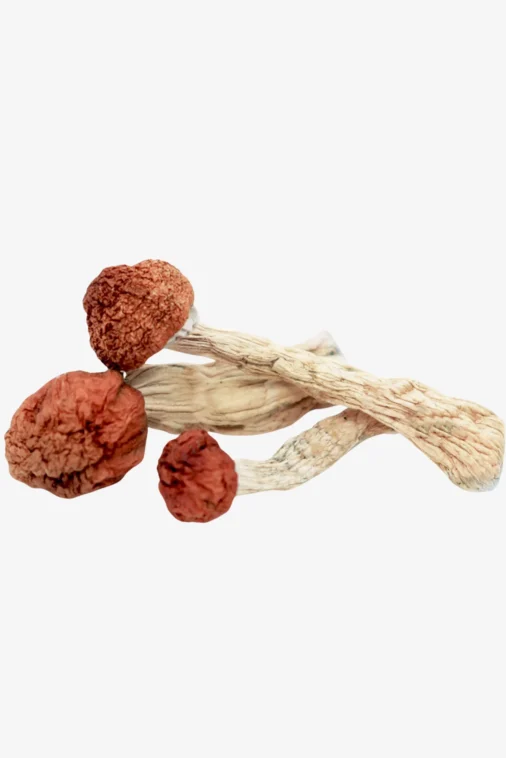
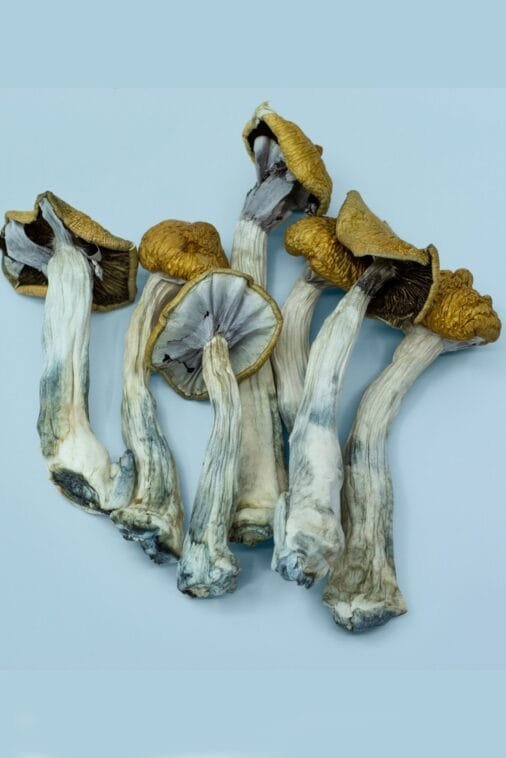
$19.99
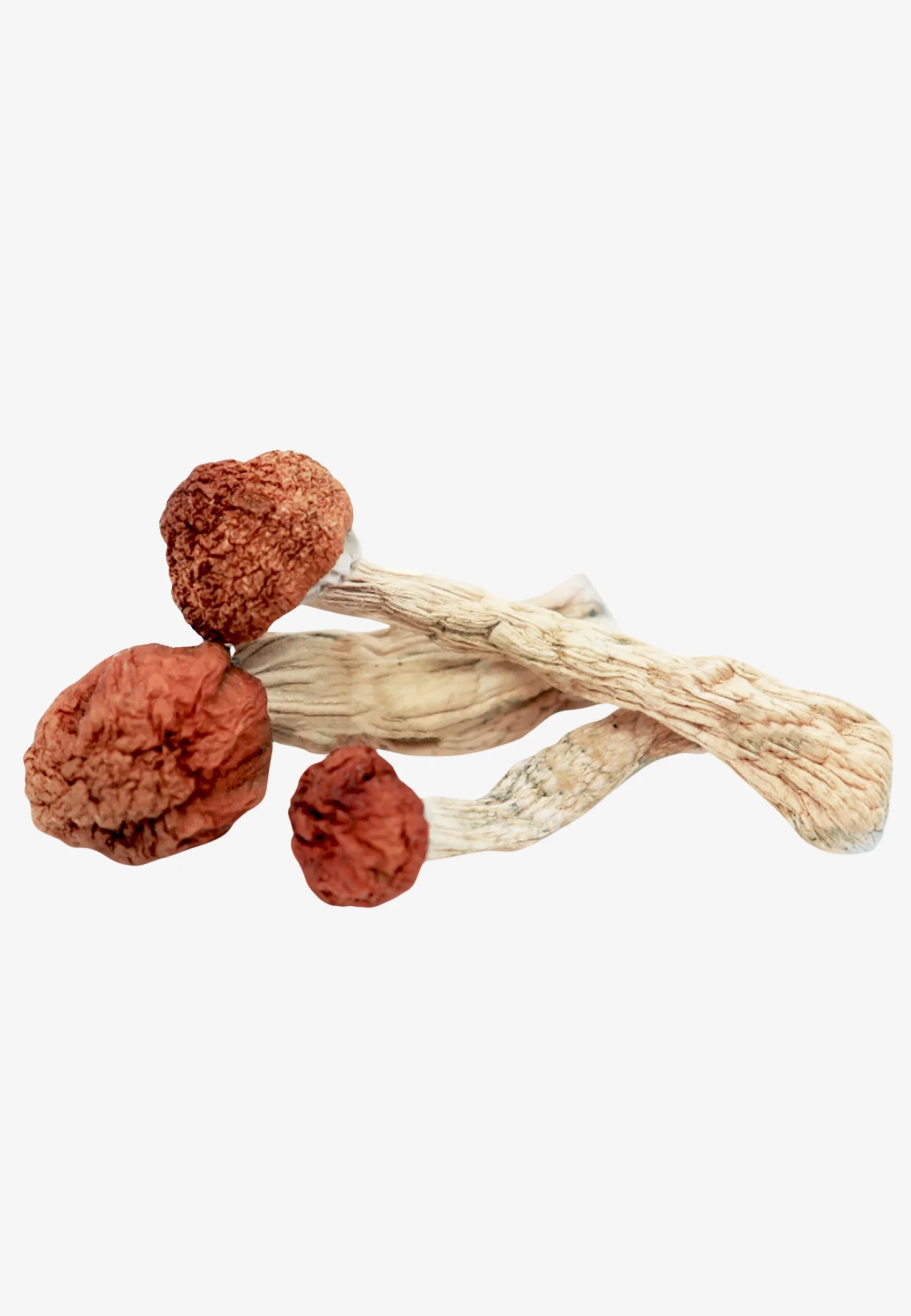
Amazonian Magic Mushrooms are psilocybin-containing mushrooms associated with the Amazon region and a history of traditional ceremonial use. According to the supplied information, they are recognized for their distinctive appearance and their historical connection with spiritual and medicinal practices. Modern research into psilocybin has also generated scientific interest in its possible effects on mood, cognition, and brain function.
The supplied description connects these mushrooms with Indigenous traditions in the Amazon rainforest. Within this historical context, psychedelic mushrooms have been associated with spiritual and medicinal practices.
Furthermore, this traditional background provides cultural context for contemporary interest in psilocybin-containing mushrooms. However, historical or traditional use does not by itself establish that a substance can safely or effectively treat a medical condition.
Modern scientific research has examined psilocybin and its effects on the brain. Consequently, researchers have investigated potential applications involving several psychiatric and behavioral conditions.
The supplied information specifically highlights anxiety, depression, addiction, and post-traumatic stress disorder (PTSD) as areas of interest. Importantly, these are areas of scientific investigation rather than guaranteed benefits of this particular mushroom product.
Studies of psilocybin-assisted interventions have generated interest in possible mental-health applications. In particular, researchers have explored changes in mood, psychological flexibility, and patterns of thought under carefully controlled conditions.
Nevertheless, clinical research typically involves screening, controlled preparations, professional supervision, and defined research protocols. Therefore, findings from such studies should not be interpreted as evidence that consuming a particular mushroom strain independently will produce the same results.
The supplied information also highlights neurogenesis and enhanced brain connectivity. Scientific research continues to investigate how psychedelic compounds affect neural signaling, plasticity, and communication between brain networks.
However, claims that a particular mushroom product directly stimulates neurogenesis in humans require careful qualification. Current research into psychedelic-related neuroplasticity remains an evolving scientific field, and findings from laboratory or experimental settings do not automatically establish a clinical treatment effect.
Several characteristics define the supplied profile of this mushroom variety. First, its name and history connect it with the Amazon region. Additionally, the description emphasizes traditional spiritual and medicinal contexts.
Meanwhile, contemporary research into psilocybin provides a separate scientific context. Researchers continue to investigate its neurological and psychological effects, including possible applications within mental-health care.
Overall, Amazonian psilocybin mushrooms combine a longstanding Amazonian cultural association with contemporary scientific interest in psychedelic compounds. Furthermore, ongoing research continues to investigate psilocybin’s relationship with mental health, neural plasticity, and brain connectivity, although these research areas should remain distinct from established treatment claims about a specific mushroom product.