Menu
Need support ? Contact us for Instant Assistance
$19.99
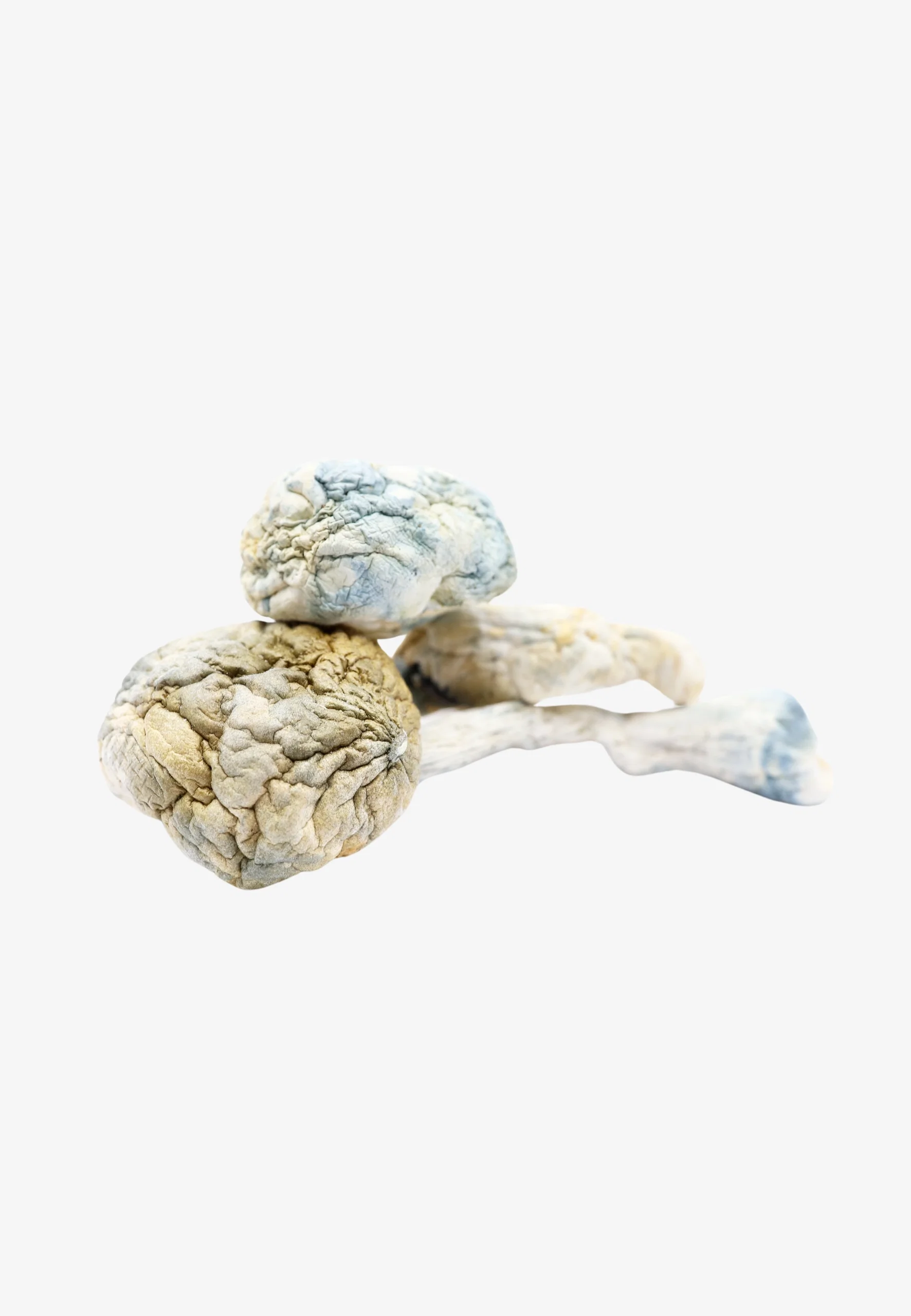
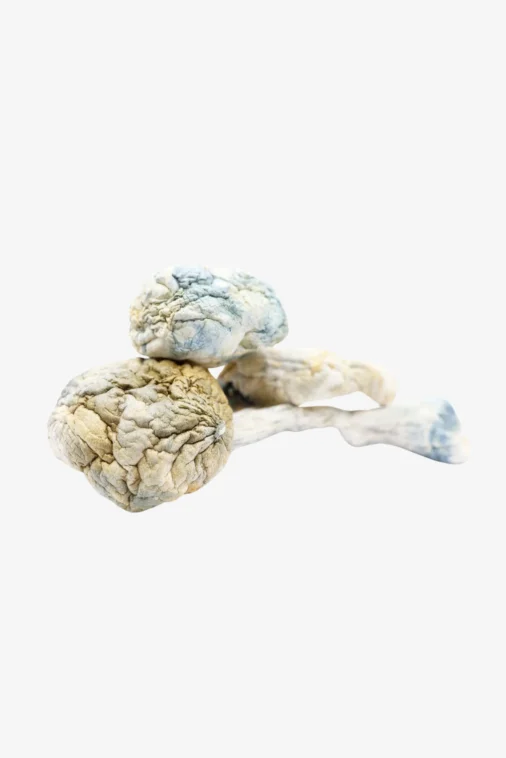
Alien Bubbles Magic Mushrooms, also referred to as Alien Bubble Cubensis, represent an unusual mutated form of Psilocybe cubensis associated with the Enigma family. Rather than representing a separate mushroom species, Alien Bubbles belongs to the broader P. cubensis group. Moreover, the supplied information identifies its unusual “blob mutation” as one of the primary characteristics that distinguishes this variety from mushrooms with conventional stems and caps.
Alien Bubble Cubensis stands apart primarily because of its unusual mutation. Typical P. cubensis mushrooms commonly develop recognizable fruiting structures with stems and caps. In contrast, this mutation produces the distinctive morphology commonly described as a blob.
Consequently, its unusual physical development forms a central part of the Alien Bubbles identity. Furthermore, the supplied description connects this mutation with the Enigma family of unusual P. cubensis forms.
The supplied information places Alien Bubbles within the Enigma family. However, this classification does not make it a separate species.
Instead, Alien Bubbles remains associated with Psilocybe cubensis while displaying an unusual genetic expression. Therefore, describing it as a P. cubensis mutation provides a clearer distinction between its species classification and its unusual morphology.
The so-called blob mutation creates one of the most recognizable characteristics associated with this mushroom variety. Instead of following the conventional appearance expected from typical mushroom fruits, the mutation develops an unusual structure.
Additionally, this morphology contributes to the Alien Bubbles name and its connection with other Enigma-family mutations. As a result, the strain attracts attention primarily because of its distinctive biological characteristics rather than a conventional stem-and-cap appearance.
Another unusual characteristic concerns spore production. According to the supplied information, Alien Bubbles does not produce spores in the conventional manner associated with many mushrooms.
Instead, preservation of this genetic line reportedly relies on cloning. Consequently, its reproduction differs from varieties that readily produce and distribute spores.
This characteristic also contributes to the unusual nature of the mutation. However, this description presents the information only as a strain characteristic and does not provide propagation or cultivation instructions.
Although Alien Bubbles looks unusual, the supplied information identifies it as a mutated form of Psilocybe cubensis. Therefore, its distinctive morphology should not automatically lead to its classification as a separate species.
Furthermore, mutations can produce substantial differences in physical development while remaining associated with the same underlying species group.
In this case, the blob-like morphology and unusual reproductive characteristics provide the primary distinctions described in the supplied strain information.
Overall, this unusual mushroom variety stands out because of its connection with the Enigma family and its distinctive blob mutation. Moreover, its classification as a mutated form of Psilocybe cubensis, unconventional morphology, and reported lack of normal spore production distinguish Alien Bubble Cubensis from more typical mushroom strains. Therefore, its unusual biological characteristics provide the main identifying features of the Alien Bubbles variety.